Innovation Development
Innovation hubs, incubators, accelerators, startup ecosystems, funding programs, commercialization, and strategic events.
Innovation hubs, incubators, accelerators, startup ecosystems, funding programs, commercialization, and strategic events.
Family activity parks, children’s development, research, educational experiences, technology, events, and community programs.
Government and stakeholder partnerships, regional development, innovation infrastructure, community initiatives, and family-friendly environments.
Tourism impacts, destination research, residents’ well-being, sustainable development, and stakeholder collaboration.
Research design, experimental studies, visitor experience, AI and data analytics, statistical modeling, visualization, and decision support.
Organized over 300 forums, trade shows, conventions, conferences, investment events, boat shows, career days, workshops, and community events.

Godovykh, M., Hacikara, A., Baker, C., Fyall, A., & Pizam, A. (2024). Measuring the perceived impacts of tourism: A scale development study. Current Issues in Tourism, 1-17. https://doi.org/10.1080/13683500.2023.2243003
Godovykh, M., Alvarez, S., & Fyall, A. (2024). Objective vs perceived environmental impacts of tourism. Tourism and Hospitality Research, 14673584241304285.
Godovykh, M., Fyall, A., & Baker, C. (2024). Sustainable Labels in Tourism Practice: The Effects of Sustainable Hotel Badges on Guests’ Attitudes and Behavioral Intentions. Sustainability, 16(6), 2484.
Godovykh, M. (2024). Transformative experiences in tourism: where, when, with whom, and how does tourists' transformation occur?. Frontiers in Sustainable Tourism, 3, 1377844.
Godovykh, M., Fu, X., & Leung, X. Y. (2024). Humor on Destination Websites: Effects of Humor on Attitudes and Visit Intentions. Tourism Analysis. https://doi.org/10.3727/108354223X16837426437308
Godovykh, M., Fyall, A., & Ridderstaat, J. (2023). The well-being impacts of tourism: Long-term and short-term effects of tourism development on residents’ happiness. Tourism Economics. https://doi.org/10.1177%2F13548166211041227
Godovykh, M. (2023). Tourism impacts: A guide to understanding, evaluating, and managing the positive and negative impacts of tourism development. Center for Tourism Impacts Research.
Godovykh, M., & Pizam, A. (2023). Measuring patient experience in healthcare. International Journal of Hospitality Management, 112, 103405. https://doi.org/10.1016/j.ijhm.2022.103405
Godovykh, M., Back, R. M., Bufquin, D., Baker, C., & Park, J. Y. (2023). Peer-to-peer accommodation amid COVID-19: the effects of Airbnb cleanliness information on guests’ trust and behavioral intentions. International Journal of Contemporary Hospitality Management. https://doi.org/10.1108/IJCHM-12-2021-1508
Godovykh, M., Fyall, A., & Pizam, A. (2022). Positive health impacts of tourism. In R. Nankoo et al. (Eds.) Handbook on Tourism, Public Health, and Wellbeing (pp. 124-136). Edward Elgar Publishing.
Godovykh, M. & Tasci, A. D. A. (2022). Emotions, feelings, and moods in tourism and hospitality research: Conceptual and methodological differences. Tourism and Hospitality Research, 22(2), 247-25.
Godovykh, M., Fyall, A., Pizam, A., & Ridderstaat, J. (2022). Evaluating health impacts of tourism: Methodological issues and opportunities. Academica Turistica - Tourism and Innovation Journal, 15(1), 43-52.
Godovykh, M. (2022). Measuring affective components of customer experience in tourism. In R. Rather & D. Jaziri (Eds.), Contemporary approaches studying CX in tourism research. Emerald.
Godovykh, M., Baker, C., & Fyall, A. (2022). VR in Tourism: A New Call for Virtual Tourism Experience amid and after the COVID-19 Pandemic. Tourism and Hospitality, 3(1), 265-275.
Godovykh, M. & Tasci, A. D. A. (2022). Developing and validating a scale to measure tourists’ personality change after transformative travel experiences. Leisure Sciences. https://doi.org/10.1080/01490400.2022.2060882
Godovykh, M., & Pizam, A. (2022). Risk Perceptions in Tourism. In Encyclopedia of Tourism Management and Marketing (pp. 1-3). Edward Elgar Publishing.
Godovykh, M., & Tasci, A. (2022). Customer Experience in Tourism. Encyclopedia of Tourism Management and Marketing (pp. 1-3). Edward Elgar Publishing. https://doi.org/10.3727/108354223X16837426437308
Godovykh, M., & Baker, C. A. (2022). Hospitality art: A research note on the main factors affecting attractiveness of visual art in Airbnb settings. Journal of Hospitality and Tourism Management, 51, 401-405.
Godovykh, M. & Pizam A. (2023). Emotions in Tourism. In Encyclopedia of Tourism Management and Marketing (pp. 1-3). Edward Elgar Publishing.
Godovykh, M., Fyall, A., Pizam, A., Hancer, M., & Cassisi, J. (2022). Virtual versus face-to-face events: The effects of event type on attendees' attitudes and behavioral intentions. Event Management, 26(8), 1689-1706.
Godovykh, M., & Ridderstaat, J. (2021). Health outcomes of tourism development: Longitudinal study of the impact of tourism arrivals on residents’ health. Destination Marketing and Management, 17, 1-7.
Godovykh, M., Ridderstaat, J., Baker, C., & Fyall, A. (2021). COVID-19 and tourism: Analyzing the effects of COVID-19 statistics and media coverage on attitudes towards tourism. Forecasting, 3, 870-883. https://doi.org/10.3390/forecast3040053
Godovykh, M., Pizam, A., & Bahja, F. (2021). Antecedents and outcomes of health risk perceptions in tourism, following the COVID-19 pandemic. Tourism Review. https://doi.org/10.1108/TR-06-2020-0257
Schuhmann, P., Burke, L., Fyall, A., …, & Godovykh, M. (2022). Opportunities for transforming coastal and marine tourism: Towards Sustainability, Regeneration and Resilience. High Level Panel for a Sustainable Ocean Economy.
Godovykh, M., & Tasci, A.D.A. (2020). The influence of post-visit emotions on destination loyalty. Tourism Review. https://doi.org/10.1108/TR-01-2020-0025
Godovykh, M., & Tasci, A.D.A. (2020). Customer experience in tourism: A review of definitions, components, and measurements. Tourism Management Perspectives, 35, 1- 19. https://doi.org/10.1016/j.tmp.2020.100694
Godovykh, M. & Tasci, A. D. A. (2020). Satisfaction vs experienced utility: Current issues and opportunities. Current Issues in Tourism, 23(18), 1-10. https://doi.org/10.1080/13683500.2020.1769573
Godovykh, M., & Hahm, J. J. (2020). Does the sequence of presentations matter for academic conferences? An application of the peak-end rule in event management. Journal of Convention & Event Tourism, 21(3), 201-224.
Godovykh, M., Milman, A., & Tasci, A. D. A. (2020). Theme park experience: Factors explaining amount of pleasure from a visit, time allocation for activities, perceived value, queuing quality, satisfaction, and loyalty. Journal of Tourism and Leisure Studies, 4(2), 1-21.
Programs, research, and frameworks focused on helping communities, destinations, and organizations create inclusive and developmentally supportive environments for children and families.
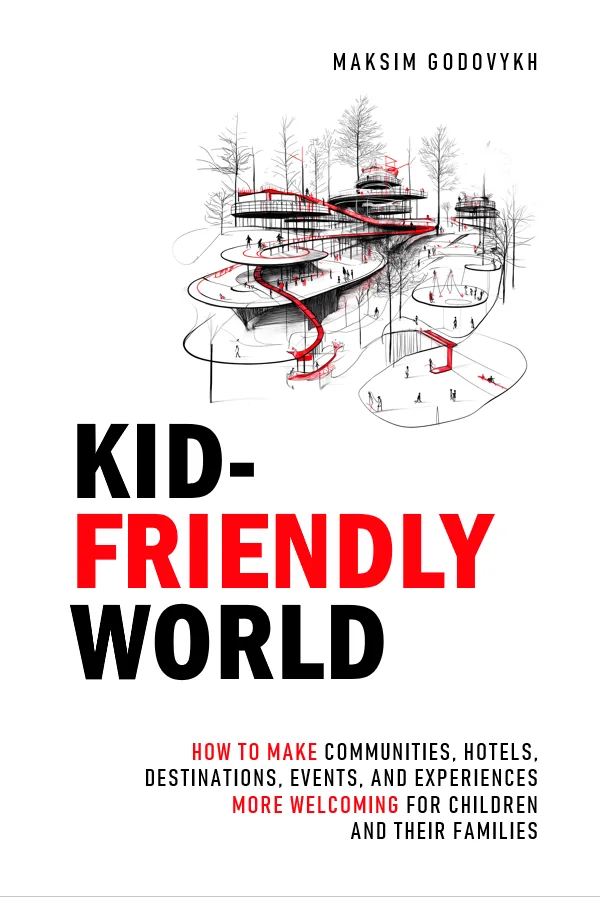
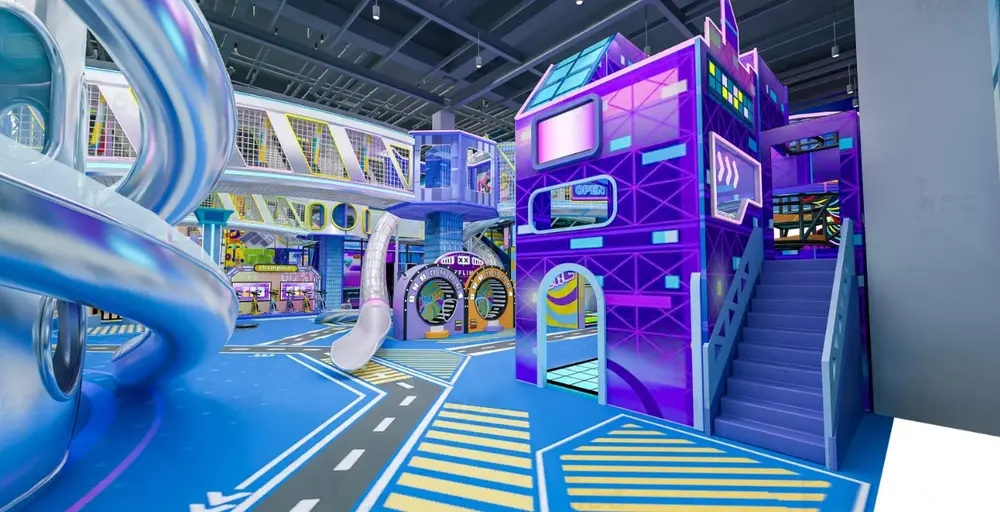
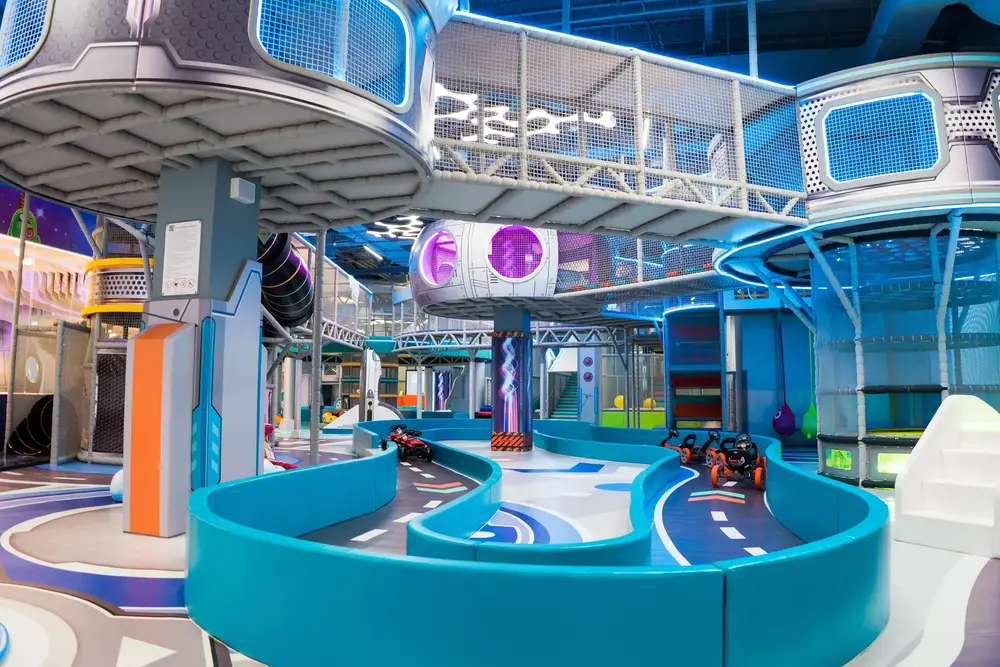
Kid-Friendly World Website →A new-generation family entertainment concept combining active entertainment, technology, learning, creativity, food, events, and community programming.
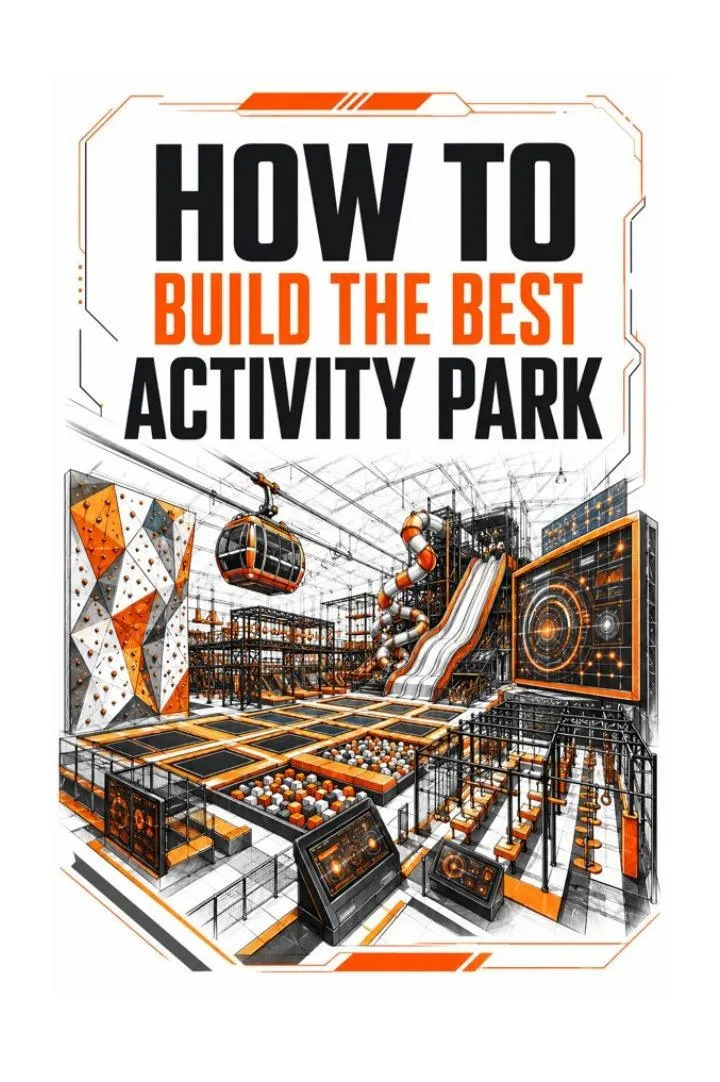
Future Experience Park Website →Work connected to the development and U.S. expansion of indoor family entertainment concepts, including sites, partnerships, new formats, and operating opportunities.
Landlord Proposal →Family-focused events connecting children, parents, businesses, education, activities, services, community organizations, and children’s entrepreneurship.
NY Family Expo Website →Structured innovation pipelines supporting projects through idea generation, evaluation, funding, development, commercialization, collaboration, and strategic events.
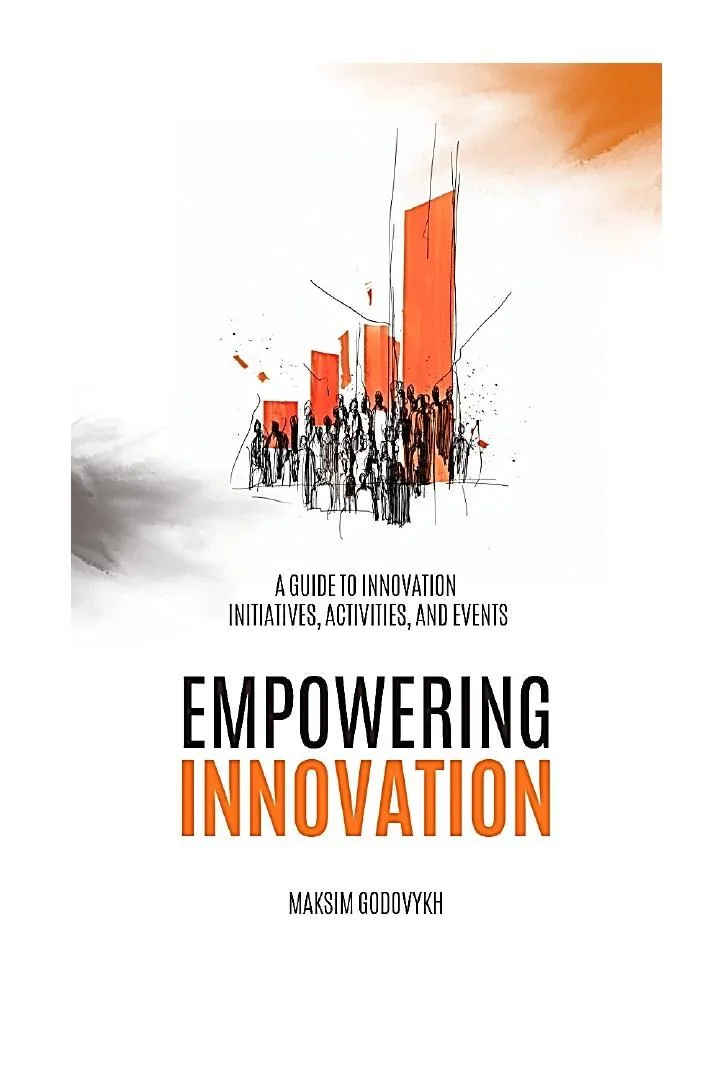
Read Empowering Innovation →A concept helping children develop ideas into practical projects through planning, testing, mentorship, resources, progress tracking, and business fairs.


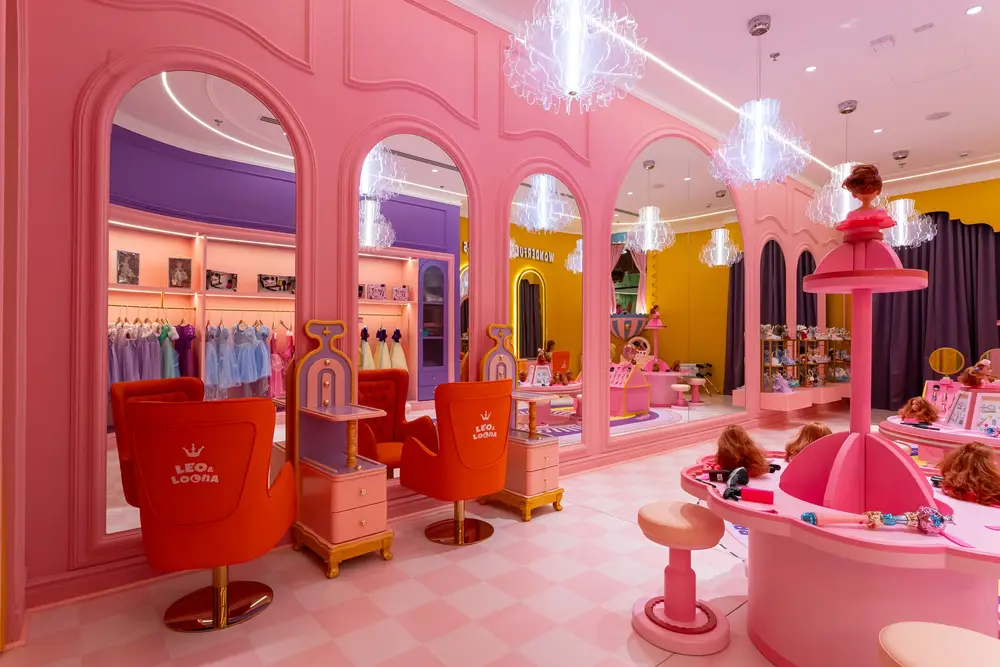
Premium toddler and preschool entertainment.
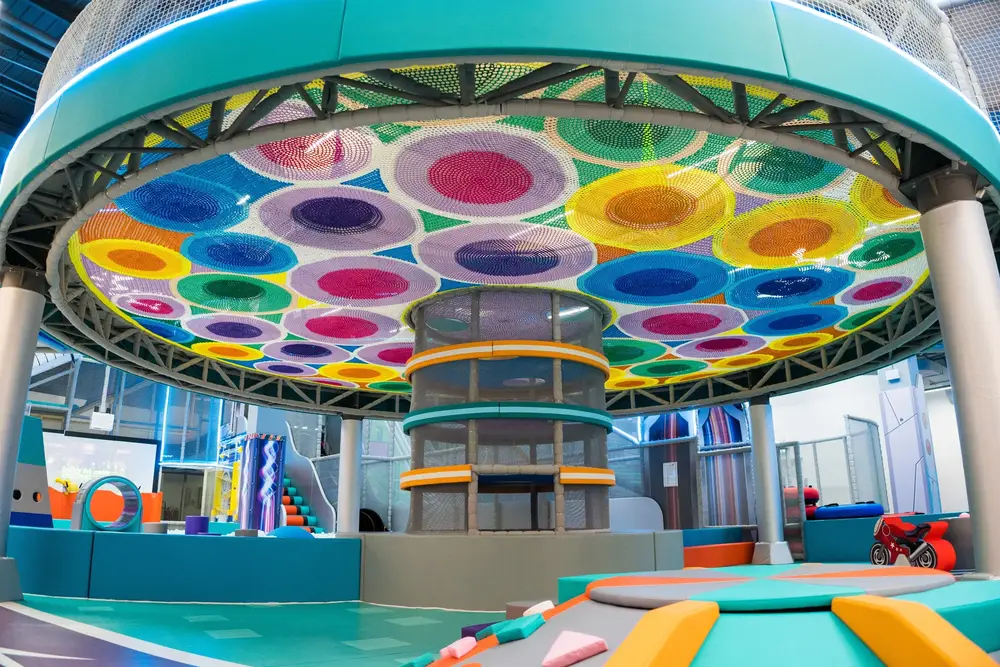
Sportainment, active play and interactive entertainment.
Physical play combined with interactive digital projections.
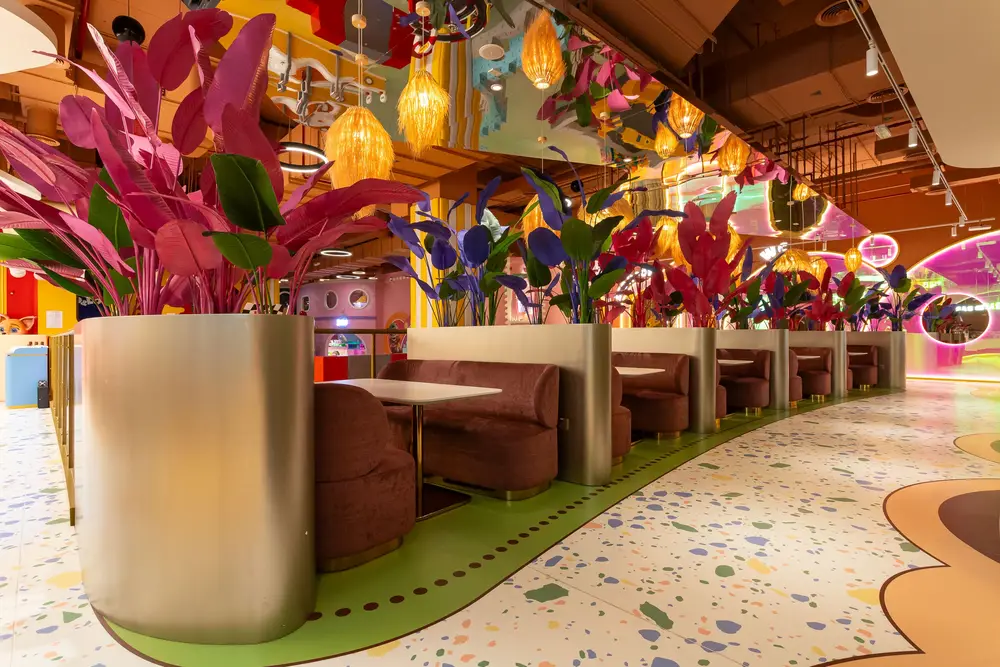
A new generation of family entertainment.
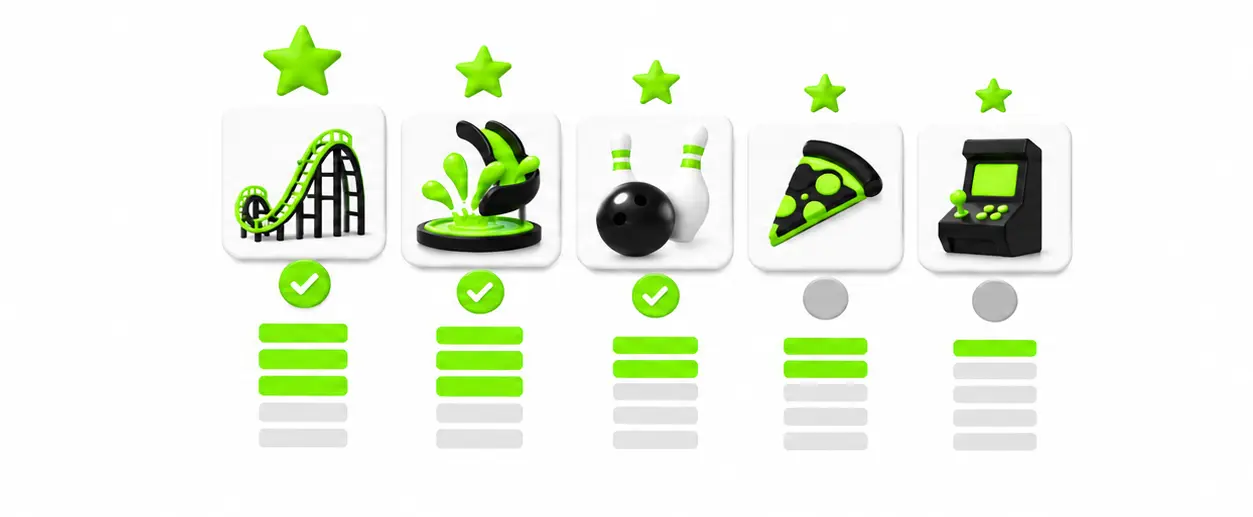
| Common Limitation | What It Means |
|---|---|
| Static attractions | Novelty wears off; fewer reasons to return. |
| Entertainment only | Limited long-term developmental value. |
| Little personalization | A similar experience on every visit. |
| No achievement path | Little visible progress across visits. |
| Few take-home outcomes | The experience ends at the exit. |
| Narrow age appeal | Children eventually outgrow the offering. |
| Parents mostly watch | Limited shared family engagement. |
| Weekend-dependent demand | Underused capacity on weekdays. |
| Limited community involvement | Fewer partnerships and weak local ownership. |
| Isolated location in the mall | Relies heavily on passing traffic. |
| Expensive physical updates | Refreshing the experience demands large reinvestment. |

Share what matters in your own words, then rank ten family entertainment attributes from highest to lowest priority.
Research design: Open-ended discovery followed by compact priority ranking.
Data analysis: Average rank, top-three share, open-text themes and family-segment comparisons.
Estimated time: 8–10 minutes.
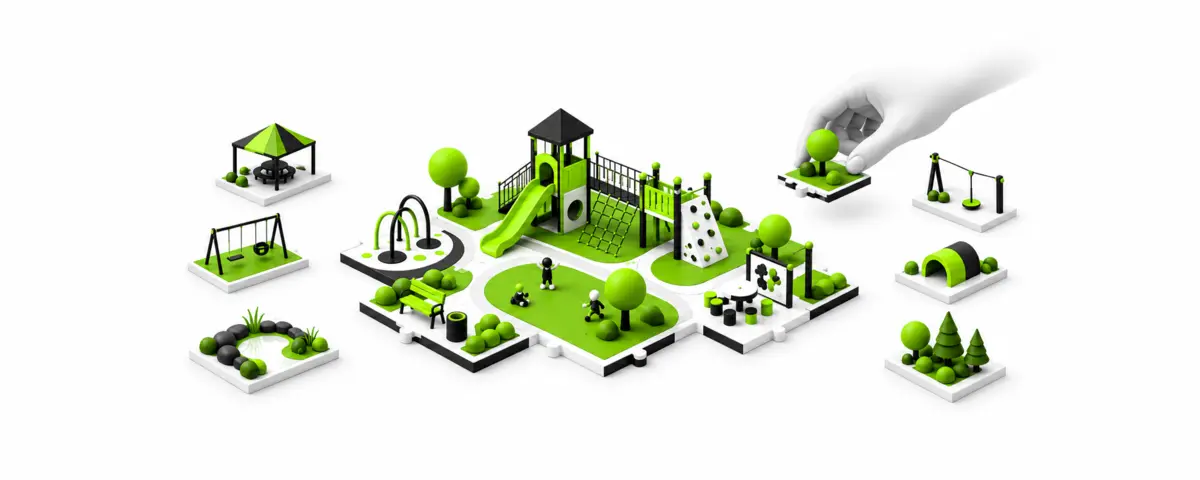
Describe your ideal park, build a preferred configuration and make several distinct trade-off decisions without repetitive A/B tasks.
Research design: Open-ended vision, structured park configurator and focused trade-offs.
Data analysis: Preferred feature levels, trade-off patterns and family-segment comparisons.
Estimated time: 10–12 minutes.
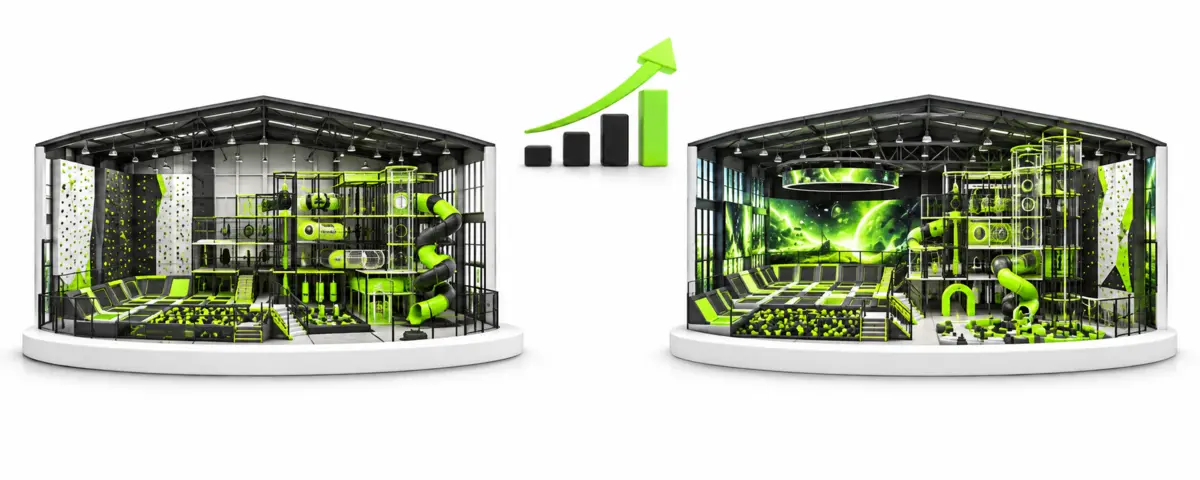
Evaluate one randomly assigned family entertainment concept. Responses will compare the optimized Future Experience Park with traditional alternatives.
Research design: Randomized monadic concept experiment.
Data analysis: Group comparisons of visit intention, repeat demand, parent value and membership interest.
Estimated time: 7–9 minutes.
| Differentiator | What Makes It Distinctive |
|---|---|
| Entertainment + development | Fun with meaningful learning and future-ready skills. |
| Multiple age groups | A destination families can grow with. |
| Continuously refreshed content | New adventures without rebuilding every attraction. |
| Avatars and family profiles | Personalization and continuity across visits. |
| Achievements and rewards | Progress that motivates return visits. |
| Tangible creative outcomes | Something meaningful to keep or share. |
| Physical + digital continuity | Experiences continue at home and on return. |
| Daily programs + weekly events | A living calendar rather than passive capacity. |
| Parents and community involved | Stronger engagement and local connection. |
| Industry-developed, co-named attractions | Stronger concepts, recognizable partners, shared promotion. |
| Membership and loyalty ecosystem | A recurring relationship, not one-time admission. |
| Mall-wide entertainment network | Traffic, discovery, and participation across the property. |
Movement, challenge, active play and physical confidence remain a core design layer.
Children investigate science, technology, society, nature, data and possible futures.
Children turn ideas into visible outcomes — games, apps, books, media, products, businesses, inventions and shared creations.
The primary outcome is becoming better at transferable thinking, communication, science, leadership, teamwork and collaboration skills.
The public stage of the park for launches, presentations, screenings, performances, competitions, exhibitions and community programs.
Flexible private rooms support personal, school, team and family milestones before or after larger park experiences.

Large comprehensive flagship combining physical attractions, exploration, creation, skills, collaboration, parties, food, retail and recurring programming.
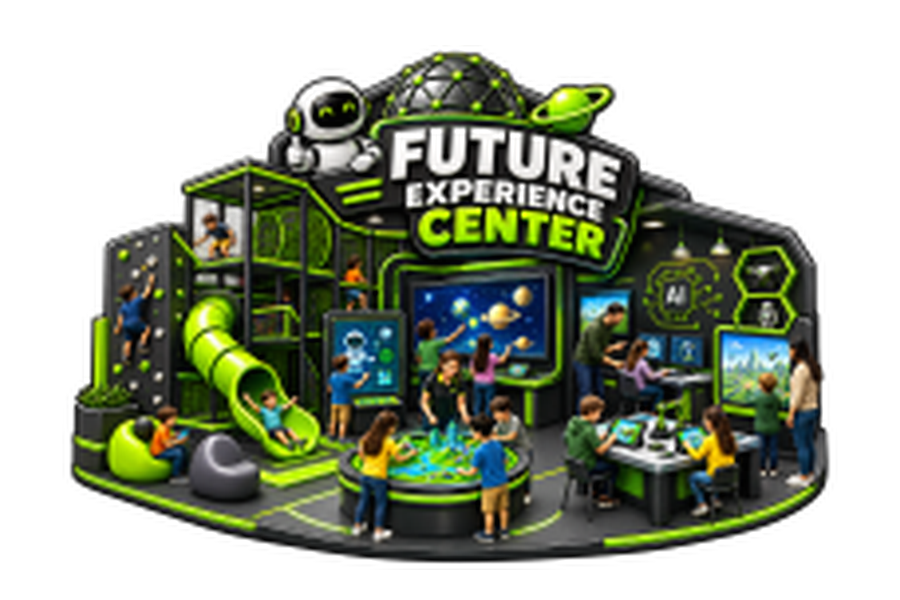
Scalable active + digital family experience combining selected physical attractions with exploration, creation, skills and recurring programming.
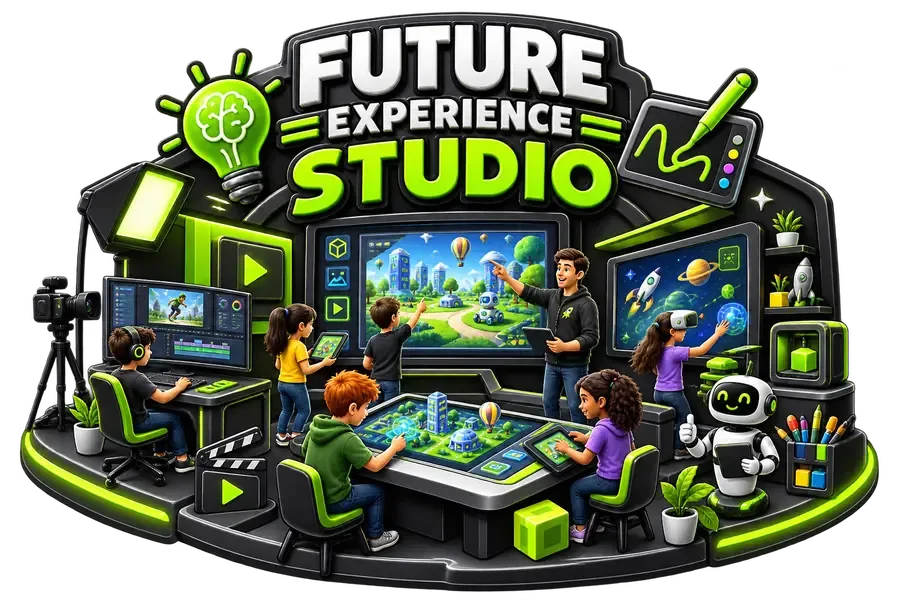
Compact creator format focused on exploration, creation, future skills, collaboration, workshops, memberships and local programming.
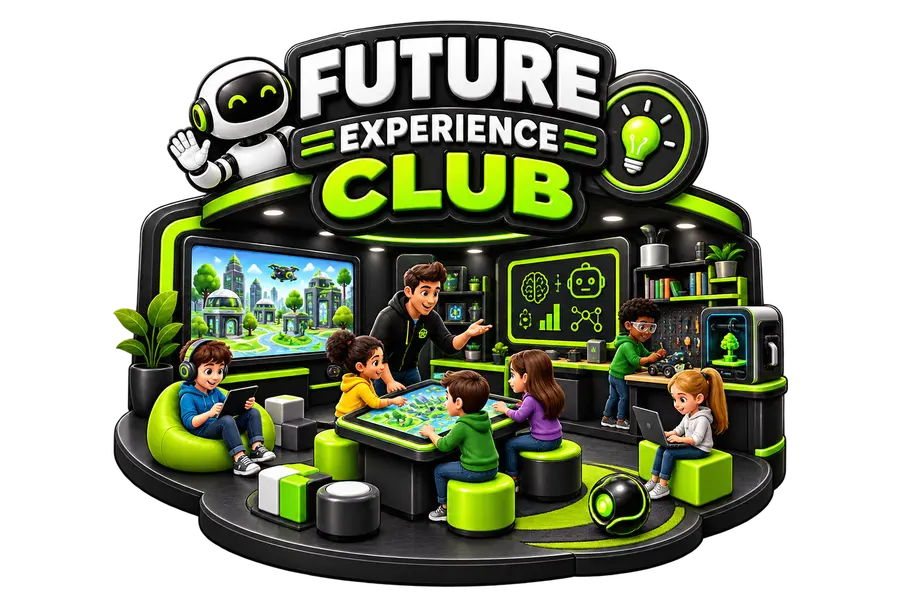
Integrated family amenity for hotels, resorts, multifamily communities and other properties with recurring activities, workshops and guest or resident programming.
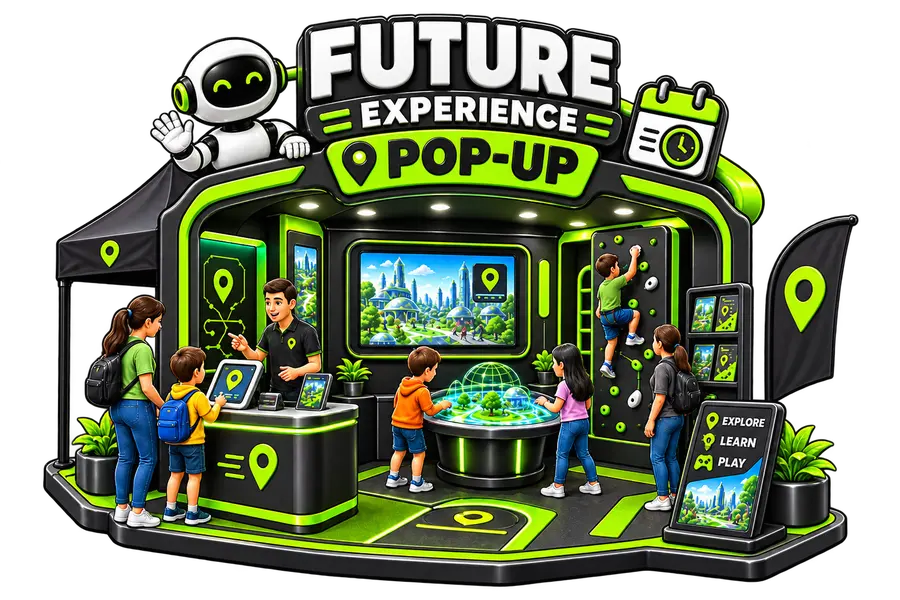
Temporary activation for market testing, launches, events, lead generation, community engagement and short-term programming.
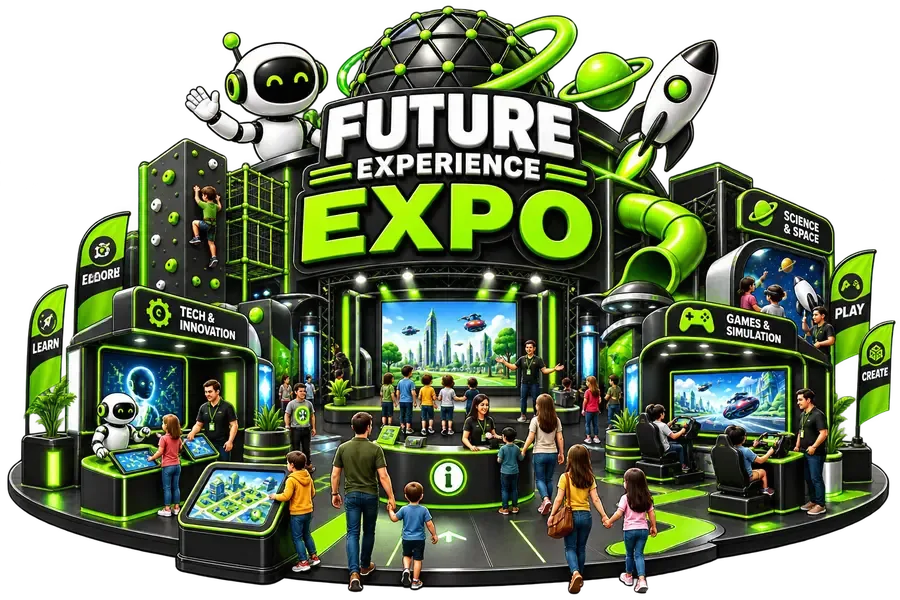
Flexible public event platform for showcases, partnerships, community engagement, research, testing and customer acquisition.
| Mall Benefit | Expected Value |
|---|---|
| Physical experiences cannot be shipped | Families visit in person to play, learn, celebrate, and connect. |
| Incremental destination visits | A new reason to choose this shopping center. |
| More frequent family visits | Changing experiences, memberships, and weekly events. |
| Longer dwell time | Multiple activities, dining, and shopping in one trip. |
| Weekday activation | School groups, camps, homeschoolers, and local programs. |
| Regular large events | Promotional moments and new customer discovery. |
| Entertainment cluster leasing | Recruitment of complementary family-oriented tenants. |
| Direct industry outreach | Exposure through ICSC, ABC Kids Expo, Family Expos, franchise expos, and direct meetings. |
| Activation beyond the anchor space | Pop-ups, play islands, kiosks, and specialty leasing. |
| Support for existing tenants | Co-marketing, referrals, shared passes, and more reasons to circulate. |
| Stronger community relationships | Schools, nonprofits, local organizations, and public events. |
| Greater differentiation | A recognizable family destination rather than another retail mix. |
| Flexible growth | Phased new concepts, spaces, partnerships, and programs. |